🔍

Hull Biofouling
ID Guide

Quick reference for divers cleaning ship hulls in Northern Territory waters

📍 NORTHERN TERRITORY Field Pocket Guide — Tropical
⚠️ Found something dodgy? STOP & REPORT

Version 3.0 • January 2026

How to Use This Guide

The Job

You're cleaning hulls. You need to spot the bad stuff before you scrape it off. This guide shows you what to look for and what to report.

Why It Matters

Darwin 1999: Black-striped Mussel detected. Emergency response cost $2.2 million to eradicate. NT is a gateway for tropical pests from Asia. Divers prevented re-introduction — you're the front line!

CLASS A/B — Declared pest. Must prevent re-introduction!
CLASS A/B — Declared under NT Weeds Management Act. Report to NT Fisheries.
WATCH — Emerging threat. Report within 24 hours
NATIVE — Normal NT fouling, no report needed

⚠️ Found Something Dodgy?

  • STOP cleaning in that area
  • Take photos — close-up + wide shot, use hand for scale
  • Note location (bow distance, depth, port/stbd)
  • DON'T scrape it off until reported
  • Surface and tell your supervisor
⚠️ CLASS A/B — Prevent Re-Introduction

Darwin 1999 Eradication
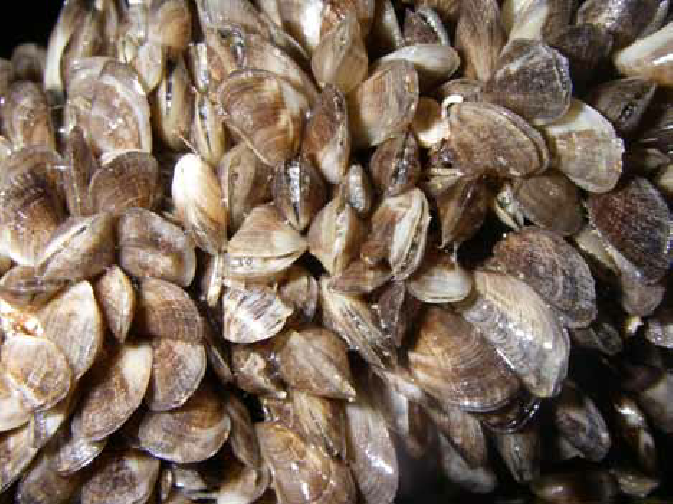
Black-striped False Mussel CLASS A/B
Black-striped False Mussel
Mytilopsis sallei
CLASS A/B - Eradicated 1999
  • Small — only 20-25mm
  • Dark radiating stripes on shell
  • Prefers brackish/estuarine water
  • Packs in thick dense layers
  • $2.2M eradication in Darwin!
CRITICAL HISTORY: 1999 Darwin marinas treated with copper/chlorine. Report ANY striped mussels immediately — sea chests are highest risk!
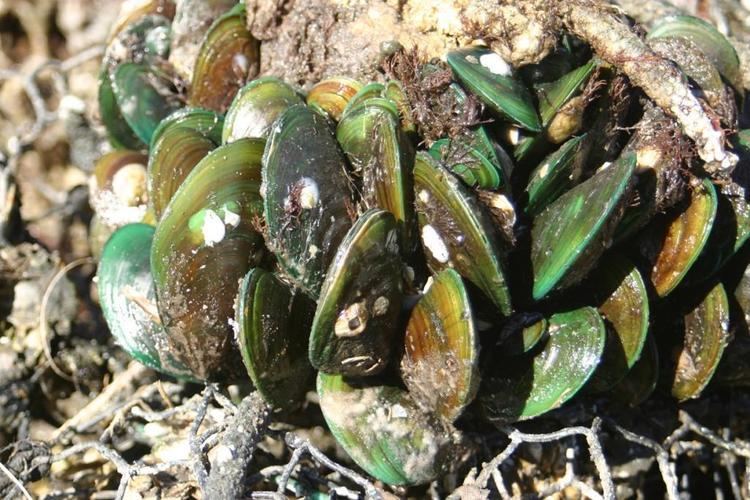
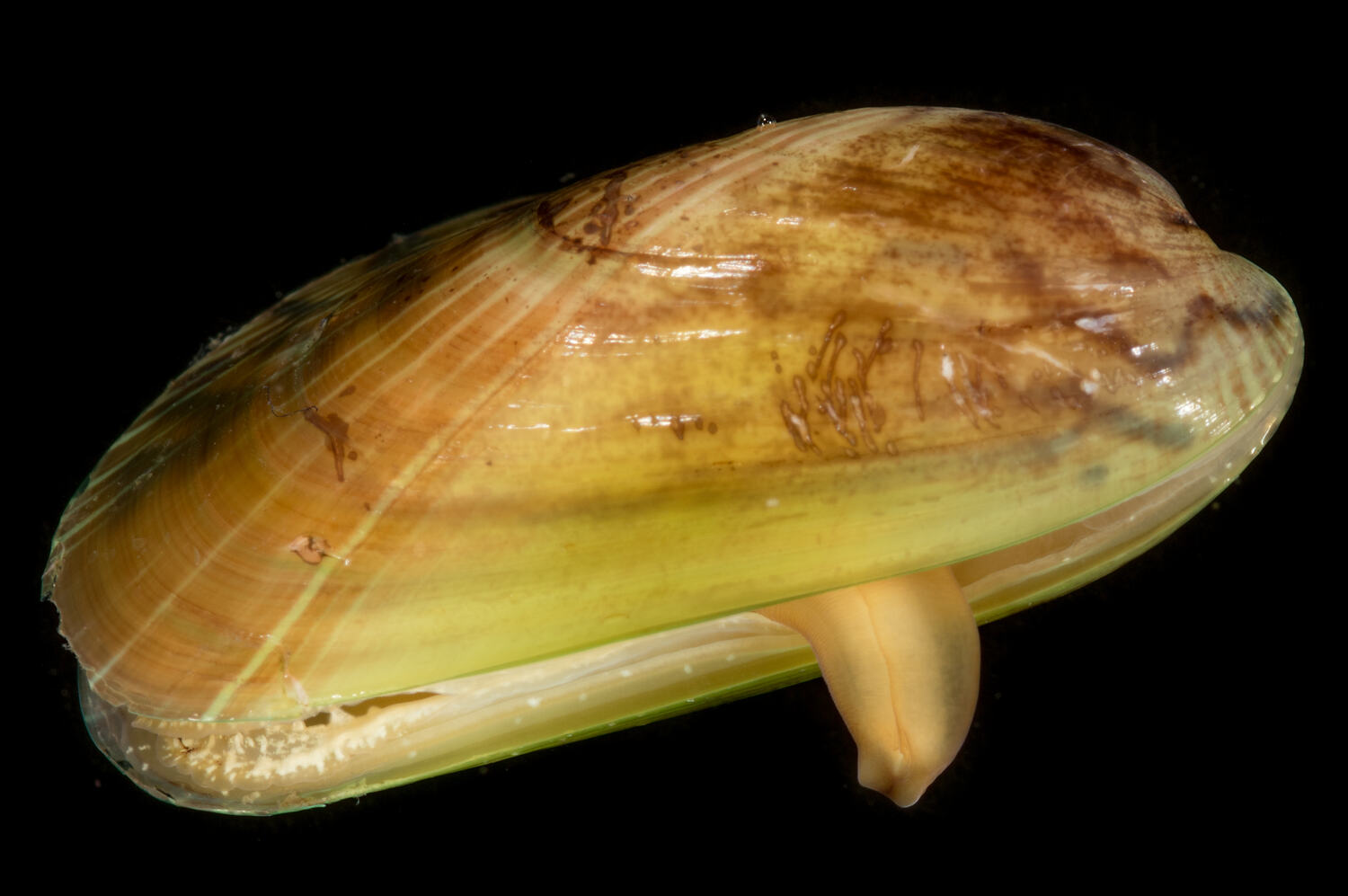
Asian Green Mussel CLASS A/B
Asian Green Mussel
Perna viridis
CLASS A/B - Tropical Threat
  • Young = bright emerald green
  • Older = brownish-green
  • Big — 80-165mm (hand-sized)
  • Blue-green iridescent inside
  • NT waters IDEAL for this pest!
Don't confuse with: Native tropical mussels — check for GREEN colour!

CLASS A/B — Report Immediately

Page 1 of 3
Asian Paddle Crab CLASS A/B
Asian Paddle Crab
Charybdis japonica
CLASS A/B - White Spot Risk
  • Paddle-shaped back legs
  • 6 spines either side of eyes
  • 5 spines on each claw
  • Up to 120mm carapace
  • Carries White Spot Virus!
Critical: White Spot would devastate NT prawn industry. Report ANY swimming crabs in sea chests!
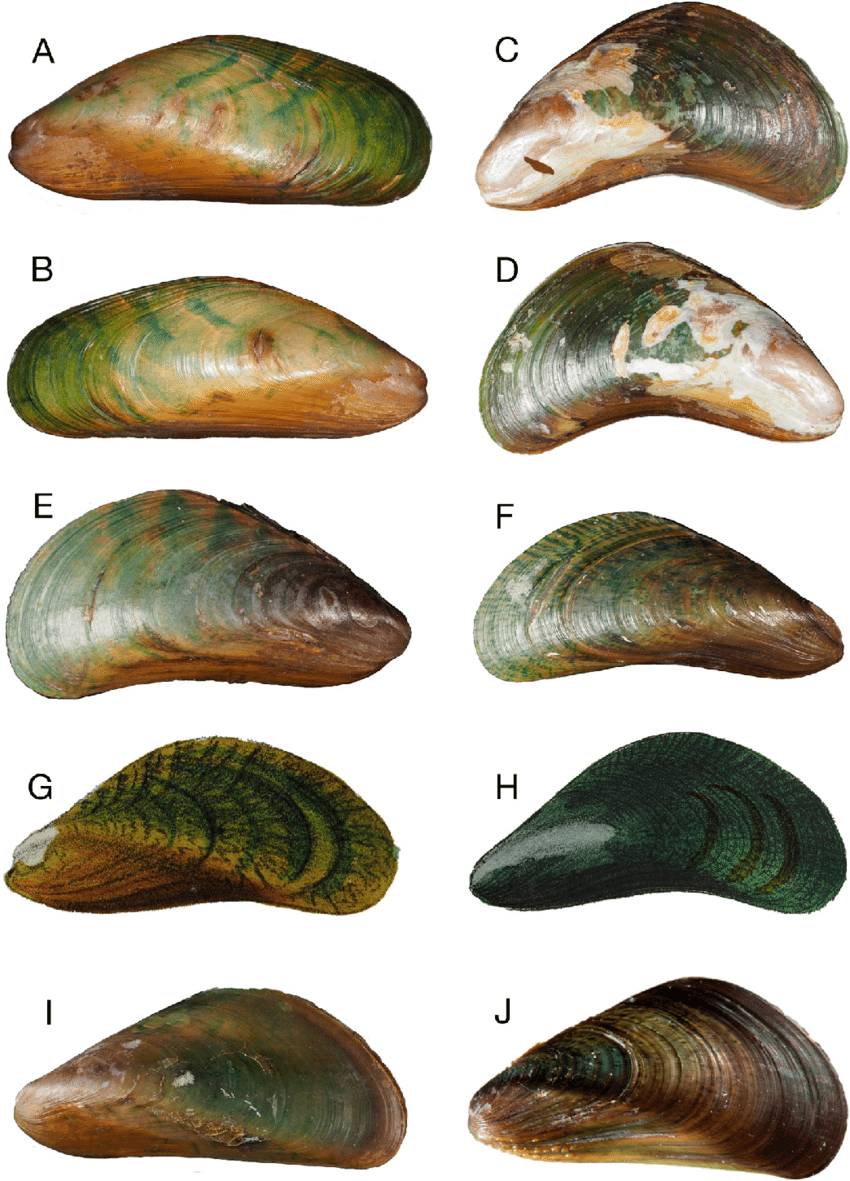
Charru Mussel CLASS A/B
Charru Mussel
Mytella strigata
CLASS A/B - Tropical
  • Medium 22-50mm
  • Variable: black, brown, orange, green
  • Zigzags, spots, or bands
  • Blue-purple opalescent inside
  • Yellowish flesh — very variable!

CLASS A/B — Report Immediately

Page 2 of 3
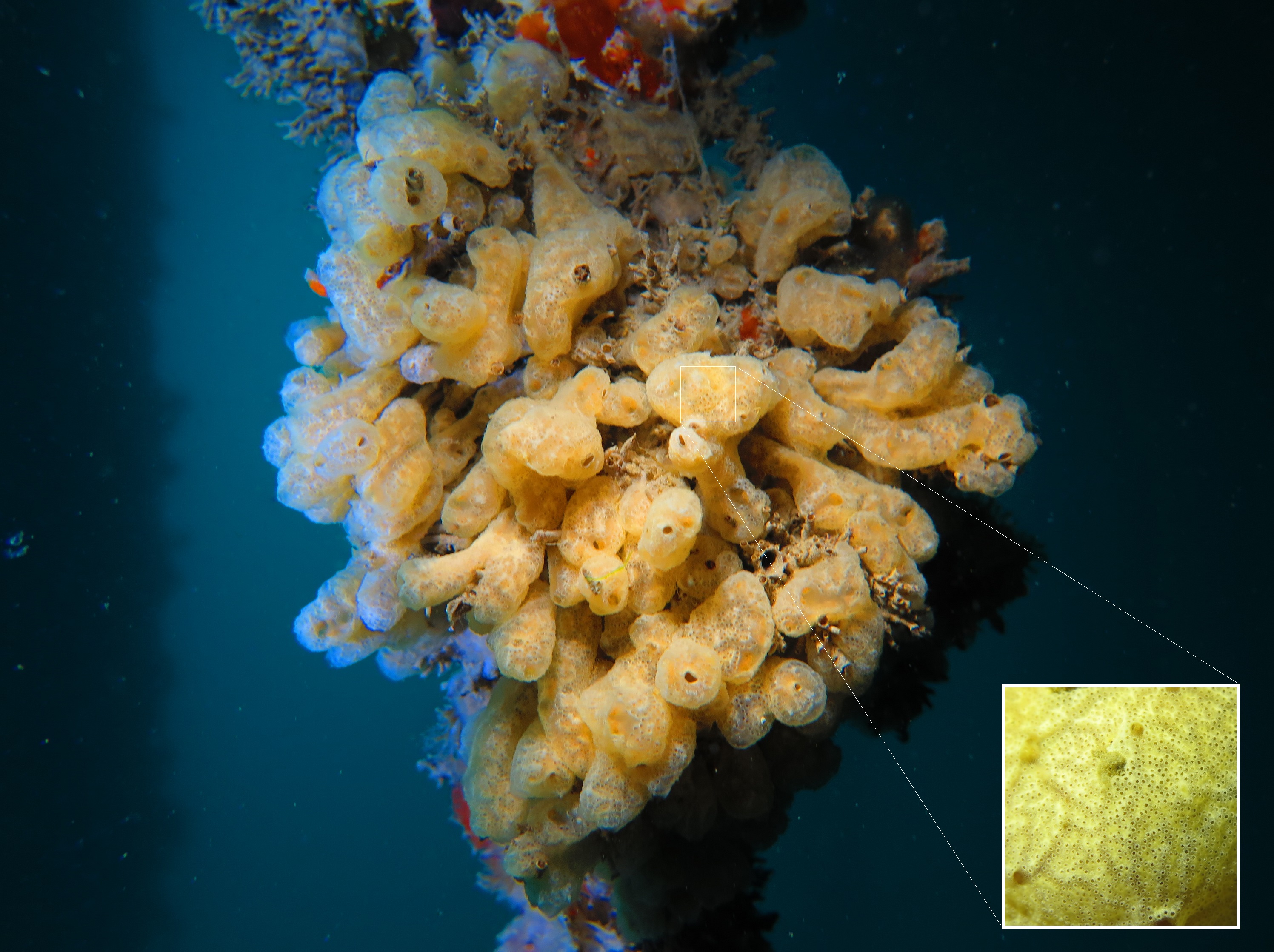
Carpet Sea Squirt CLASS A/B
Carpet Sea Squirt
Didemnum vexillum
CLASS A/B - Not in NT
  • Creamy/tan to yellow-grey
  • Waxy, veiny like varicose veins
  • Leathery feel, NOT slimy
  • Drips down like candle wax
  • Smothers EVERYTHING!
Don't confuse with: Native sea squirts — thinner, gelatinous, no veiny texture
Killer Algae CLASS A/B
Killer Algae
Caulerpa taxifolia
CLASS A/B - Not in NT
  • Bright green - stands out
  • Feather-shaped fronds
  • Creeping runners
  • Up to 65cm tall
  • Smothers everything!

CLASS A/B — Report Immediately

Page 3 of 3
Asian Date Mussel CLASS A/B
Asian Date/Bag Mussel
Arcuatula senhousia
CLASS A/B - Mussel
  • Small — only up to 30mm
  • Thin, fragile, easily crushed
  • Greenish with zigzag markings
  • Iridescent radiating bands
  • Smothers seagrass beds
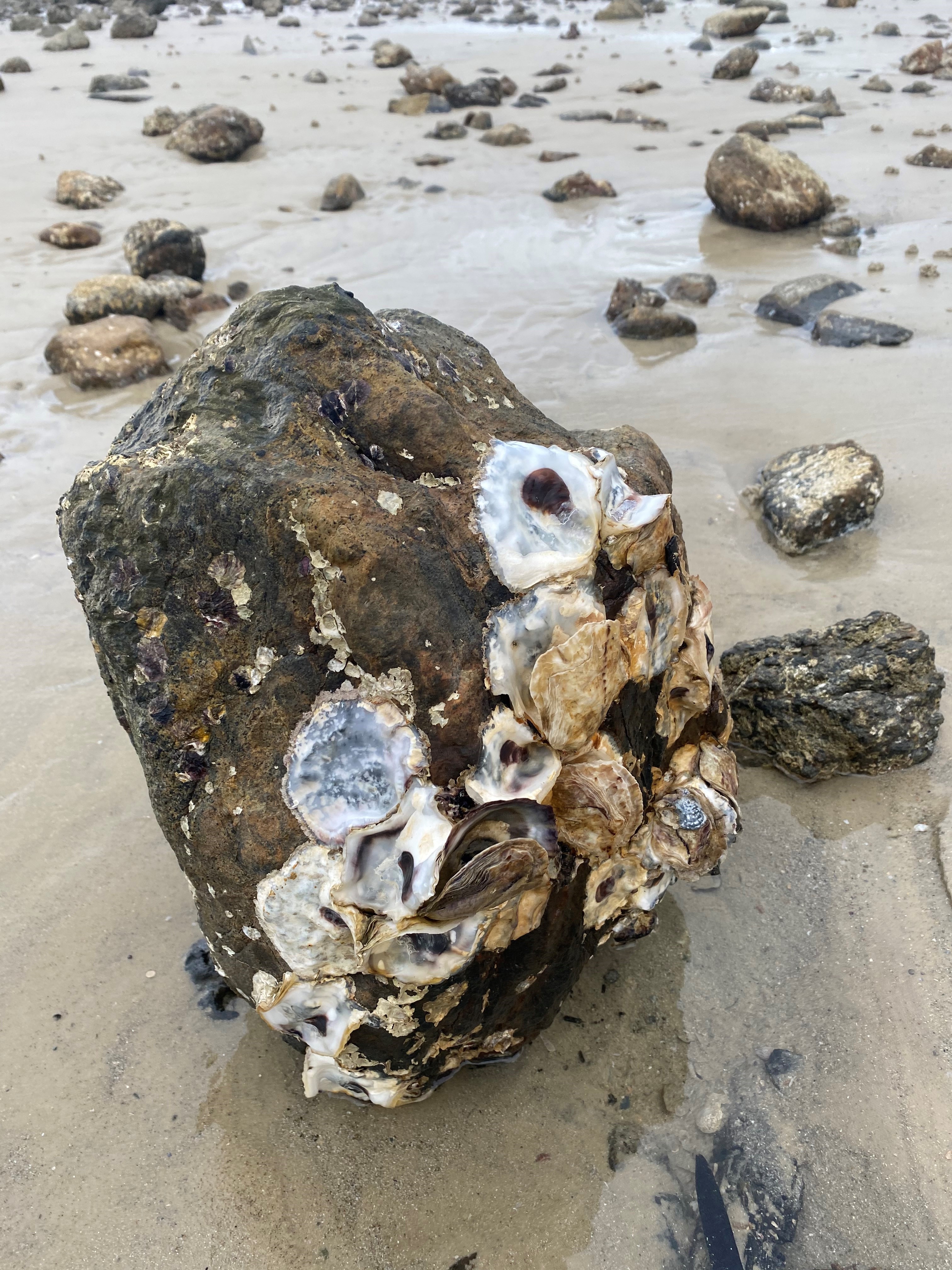
Black Scar Oyster CLASS A/B
Black Scar Oyster
Magallana bilineata
DETECTED - NT 2019
  • Large — up to 212mm
  • Dark scar on BOTH valves
  • Yellow-purple shell, thin layers
  • Green iridescent hinge (fresh)
  • Estuaries on rocks/pilings
ID tip: Dark adductor muscle scar distinguishes from Sydney Rock and Pacific oysters. Photo: NIMPIS

WATCH — Watch Species

Report within 24 hours
Brown Mussel WATCH
Brown Mussel
Perna perna
CLASS A/B - Africa/S. America
  • Dark brown to black shell
  • Up to 90mm (fist-sized)
  • Dense thick clumps
  • Thick shell, hard to break
Vase Tunicate WATCH
Vase Tunicate
Ciona intestinalis
CLASS A/B - Sea Squirt
  • Translucent yellow-green
  • Tube/vase shaped, up to 150mm
  • Two siphons at top
  • Soft and squishy texture

Native — Normal NT Fouling

No Report Needed
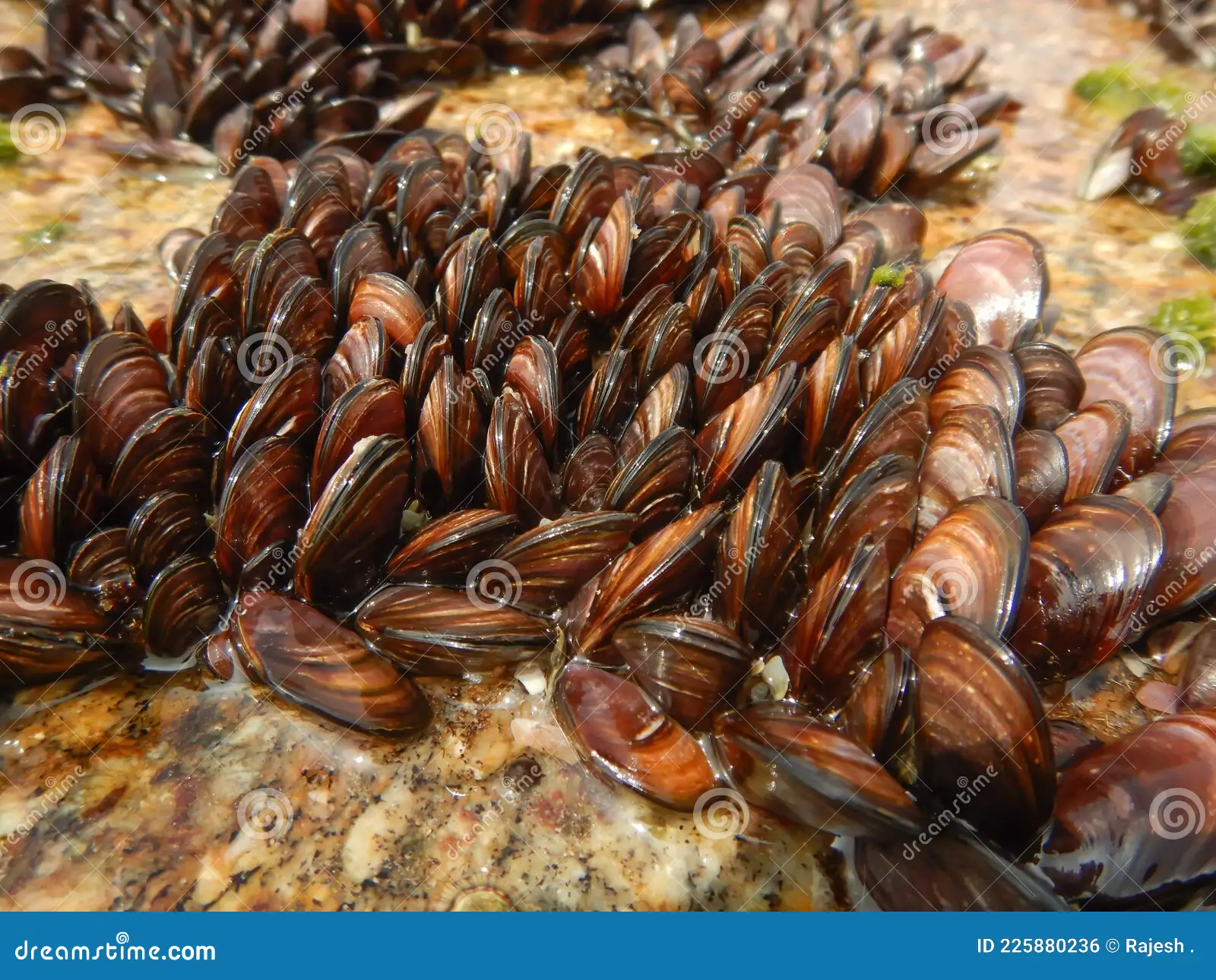
Native Mussels NATIVE
Native Tropical Mussels ✓
Brachidontes spp.
Mussel — Common NT
  • Small, dark brown/black
  • Ribbed shell surface
  • Intertidal rocks and structures
  • NOT bright green or striped!
Native Tube Worms NATIVE
Native Serpulid Worms ✓
Serpulidae & Spirorbidae
Tube Worm — Common
  • Hard white calcium tubes
  • Colourful Christmas tree worms
  • Small feathery fans
  • Common on coral and structures
Native Tropical Species: NT has rich biodiversity including barnacles, oysters, sponges, and native crabs. If you see unusual mussels with STRIPES or GREEN colour — report immediately.

Quick Reference Table

CRITICAL Species Must Prevent Re-Introduction!
Black-striped Mussel Small 25mm, dark stripes. $2.2M Darwin eradication!
Asian Green Mussel Bright green shell, 80-165mm. NT waters ideal!
HIGH Priority Quick ID
Asian Paddle Crab Paddle legs, 6 spines — White Spot risk!
Charru Mussel Variable colors, 22-50mm, blue inside
Carpet Sea Squirt Creamy veiny mat, waxy texture
Asian Date Mussel 30mm, fragile, zigzag, forms mats
Black Scar Oyster Dark adductor scar both valves, detected NT 2019
Native Species Key Difference from Invasive
Native Mussels Dark, ribbed — NOT green or striped
Native Crabs Most lack paddle-shaped back legs

Report It — Northern Territory

🚨 NT Fisheries

1800 891 136
Fishwatch 24-hour hotline
aquaticbiosecurity@nt.gov.au

MarineStream

Biofouling Manager:
Mat Harvey

Operations Manager:
Sam Diamond

www.marinestream.com.au

National Resources

Marine Pests:
www.marinepests.gov.au

NIMPIS Database:
nimpis.marinepests.gov.au

✓ When Reporting, Include:

  • Photos — close-up + wide shot with hand for scale
  • GPS coordinates if possible
  • Location on hull (bow distance, depth, port/stbd)
  • Vessel name and current location
  • Date and time of sighting
  • Your contact details

Hull Biofouling ID Guide — Northern Territory • Version 3.0 • January 2026

© 2026 MarineStream • Info from DAFF, NT DEPWS, NIMPIS
Black Scar Oyster photo: NIMPIS