
Hull Biofouling
ID Guide
Quick reference for divers cleaning ship hulls in Tasmanian waters
📍 TASMANIA Field Pocket Guide⚠️ Found something dodgy? STOP & REPORT
Version 3.0 • January 2026
How to Use This Guide
The Job
You're cleaning hulls. You need to spot the bad stuff before you scrape it off. This guide shows you what to look for and what to report.
Why It Matters
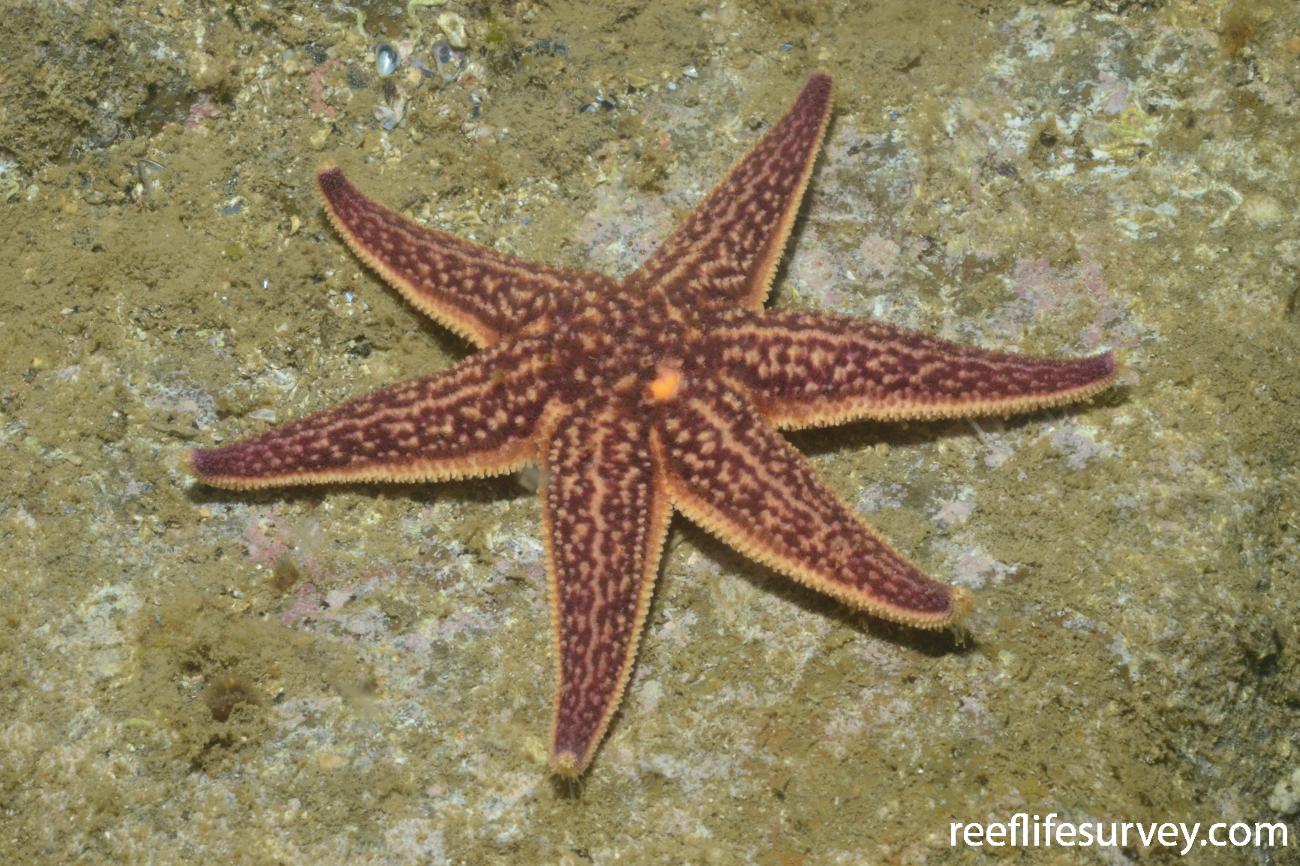
Tasmania's pristine waters face major threats. The Northern Pacific Seastar has caused over $1 billion in damage to fisheries. Japanese kelp smothers native habitats. Divers are the front line against new introductions and further spread.
CRITICAL — Major established pest. Prevent spread!
DECLARED — Declared pest under TAS Biosecurity Act. Report to Biosecurity TAS.
ESTABLISHED — Present in TAS. Prevent further spread.
NATIVE — Normal TAS fouling, no report needed
⚠️ Found Something Dodgy?
- STOP cleaning in that area
- Take photos — close-up + wide shot, use hand for scale
- Note location (bow distance, depth, port/stbd)
- DON'T scrape it off until reported
- Surface and tell your supervisor






.jpg)