🔍

Hull Biofouling
ID Guide

Quick reference for divers cleaning ship hulls in Victorian waters

📍 VICTORIA Field Pocket Guide
⚠️ Found something dodgy? STOP & REPORT

Version 3.0 • January 2026

How to Use This Guide

The Job

You're cleaning hulls. You need to spot the bad stuff before you scrape it off. This guide shows you what to look for and what to report.

Why It Matters

Port Phillip Bay and Victorian ports have Australia's worst marine pest invasions. Northern Pacific Seastar has caused $1B+ damage. Japanese kelp is established. Divers are our first line of defence against new introductions.

CONTROLLED — State/Regionally Prohibited or Controlled. Report to Agriculture VIC.
CONTROLLED — Prohibited/Controlled pest. Report immediately.
ESTABLISHED — Present in VIC. Prevent further spread.
NATIVE — Normal VIC fouling, no report needed

⚠️ Found Something Dodgy?

  • STOP cleaning in that area
  • Take photos — close-up + wide shot, use hand for scale
  • Note location (bow distance, depth, port/stbd)
  • DON'T scrape it off until reported
  • Surface and tell your supervisor
⚠️ CONTROLLED — Major Established Pests

Page 1 of 2
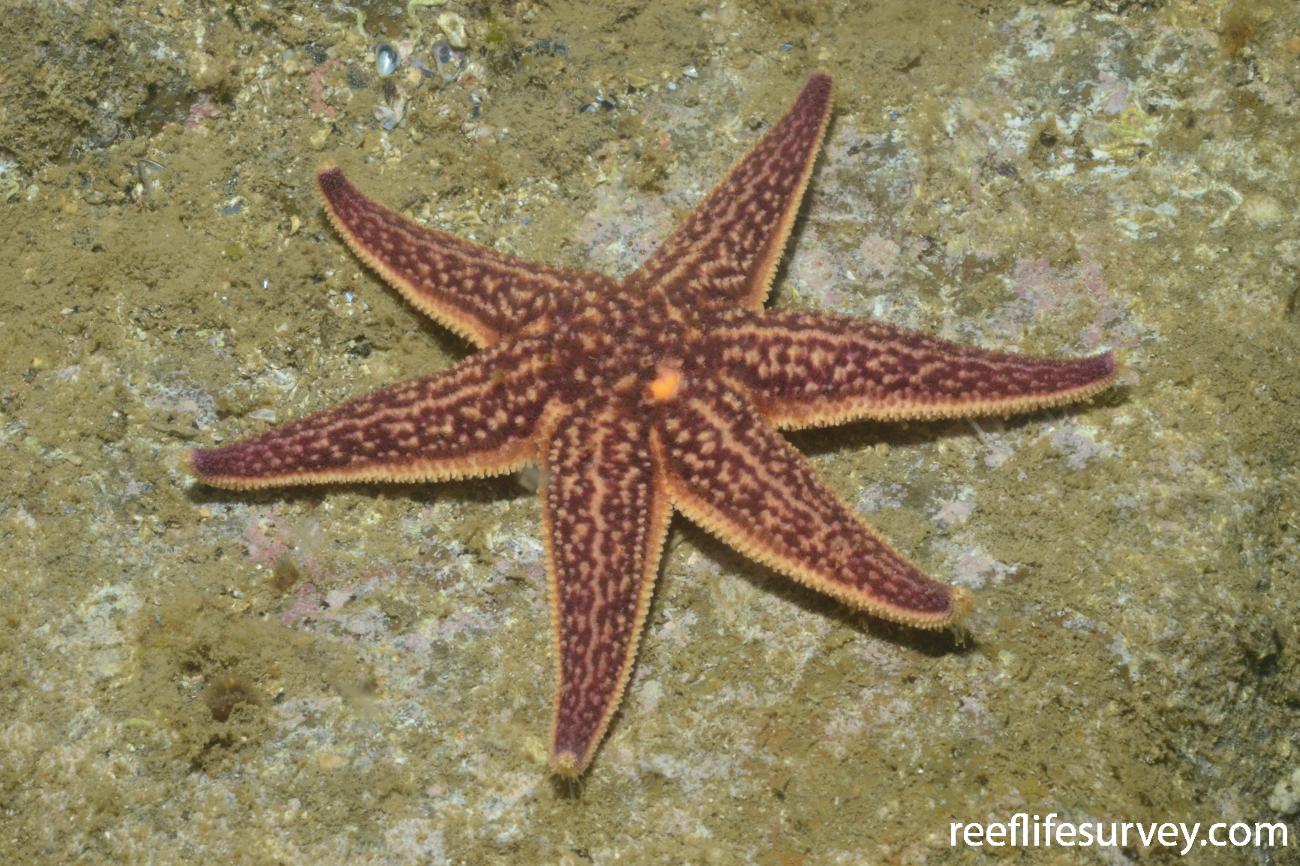
Northern Pacific Seastar CONTROLLED
Northern Pacific Seastar
Asterias amurensis
CRITICAL - Established Port Phillip Bay
  • HUGE — up to 50cm diameter
  • 5 arms with upturned tips
  • Yellow-orange with purple marks
  • Undersides completely yellow
  • $1B+ damage to fisheries
  • Can carry parasitic worm
Reproduces rapidly: Single female = 20 million eggs per season. Report ALL sightings!
Japanese Kelp CONTROLLED
Japanese Kelp (Wakame)
Undaria pinnatifida
ESTABLISHED - Prevent Spread
  • Large 1-3m, golden-brown
  • Central midrib runs full length
  • Wavy ruffled edges
  • Frilly sporophyll at stalk base
  • Smothers native kelp forests
Don't confuse with: Native kelps — lack central midrib and frilly base

⚠️ CONTROLLED — Major Established Pests

Page 2 of 2
European Fan Worm CONTROLLED
European Fan Worm
Sabella spallanzanii
ESTABLISHED - Port Phillip 1995
  • HUGE fan — 45-150mm across
  • Fan spirals inward (not flat)
  • Stripy — orange/purple/white bands
  • Brown leathery tube up to 400mm
  • Clogs intake pipes
Don't confuse with: Native serpulid worms — smaller fans (<20mm), white hard tubes
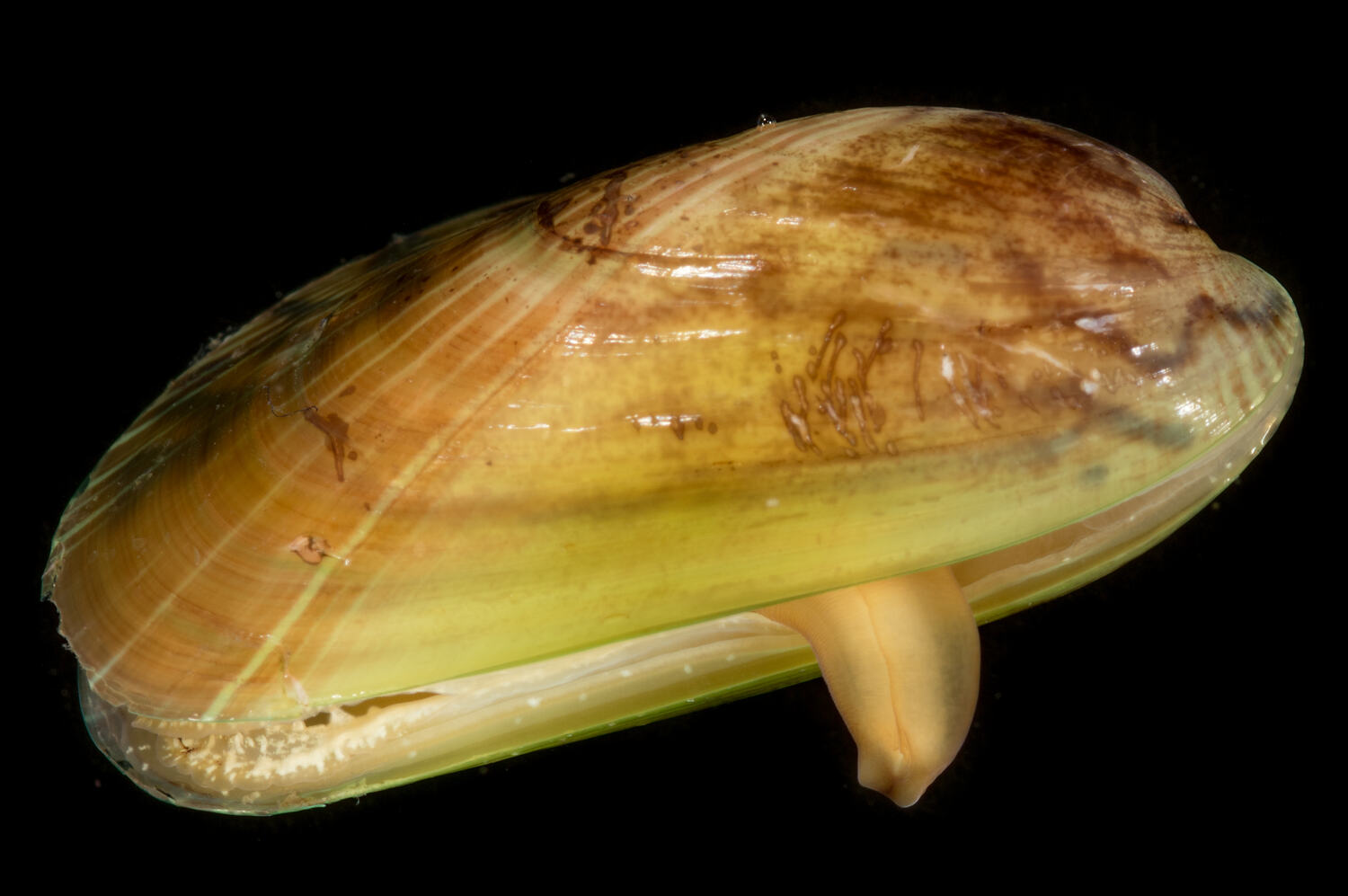
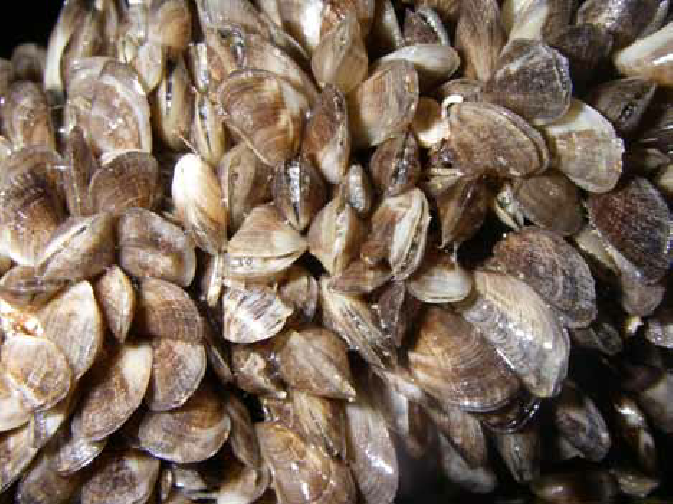
Asian Date Mussel CONTROLLED
Asian Date/Bag Mussel
Arcuatula senhousia
ESTABLISHED - VIC/TAS/SA/WA
  • Small — only up to 30mm
  • Thin, fragile, easily crushed
  • Greenish with zigzag markings
  • Iridescent radiating bands
  • Forms mats of 1000s per m²
Creates byssal mats: Smothers seagrass beds. Report if found on vessel from uninfested areas.

CONTROLLED — Report Immediately

Page 1 of 3
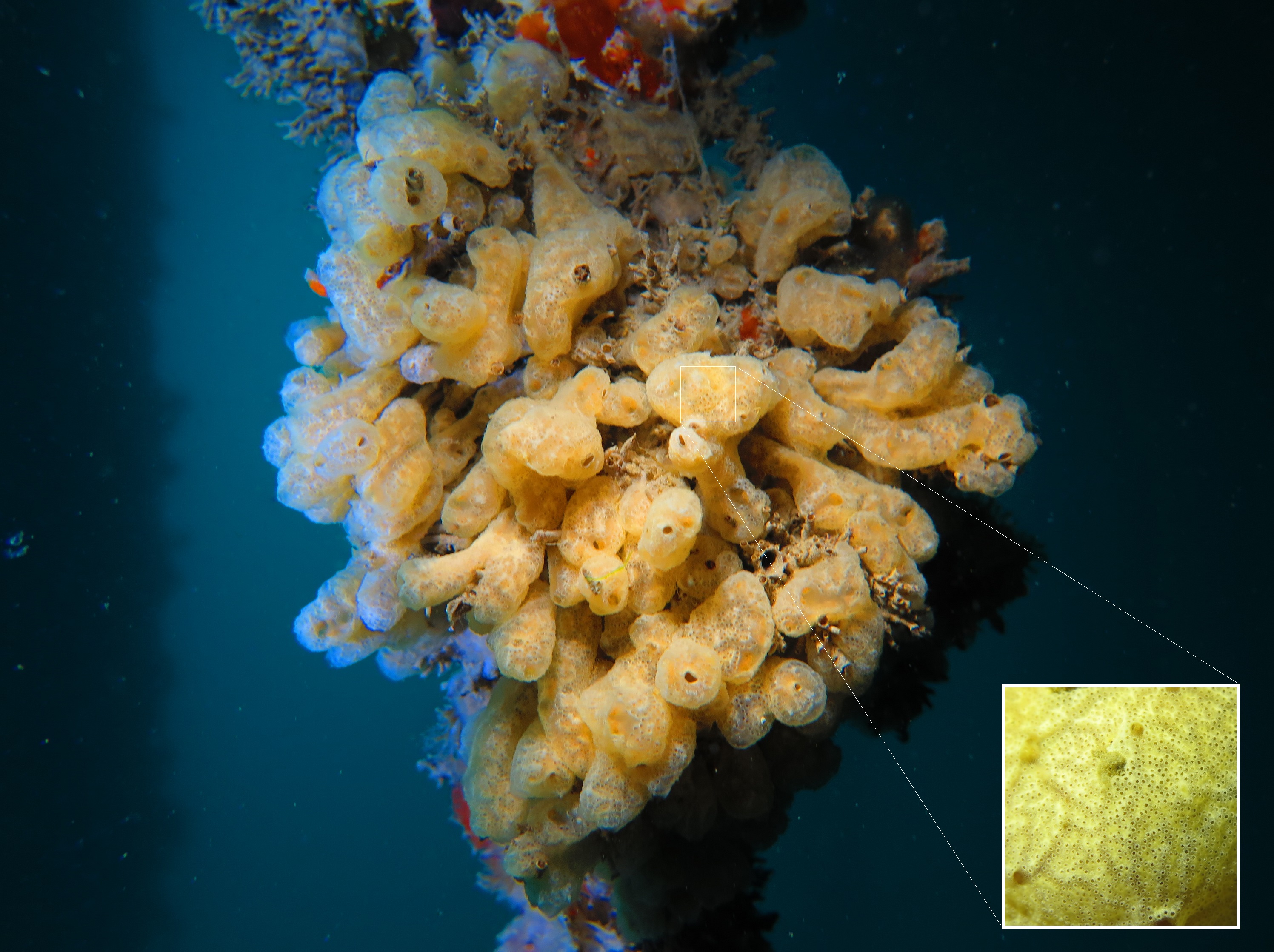
Carpet Sea Squirt CONTROLLED
Carpet Sea Squirt
Didemnum vexillum
CONTROLLED - Not in VIC
  • Creamy/tan to yellow-grey
  • Waxy, veiny like varicose veins
  • Leathery feel, NOT slimy
  • Can thicken to 10cm
  • Smothers everything!
Don't confuse with: Native sea squirts — thinner, gelatinous, no veiny texture
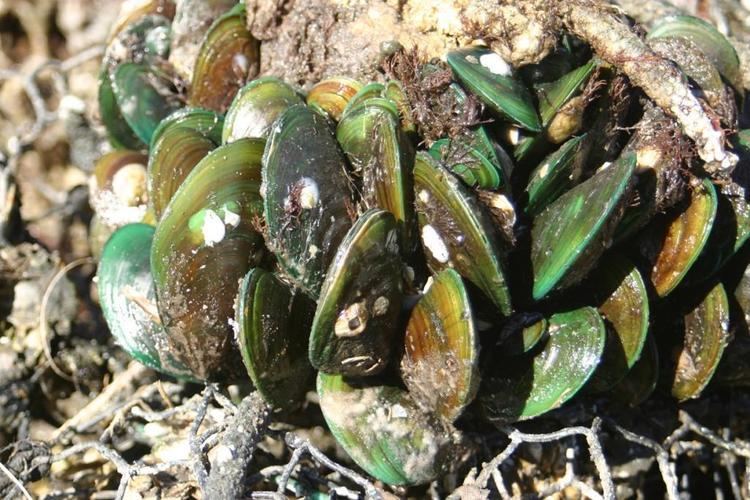
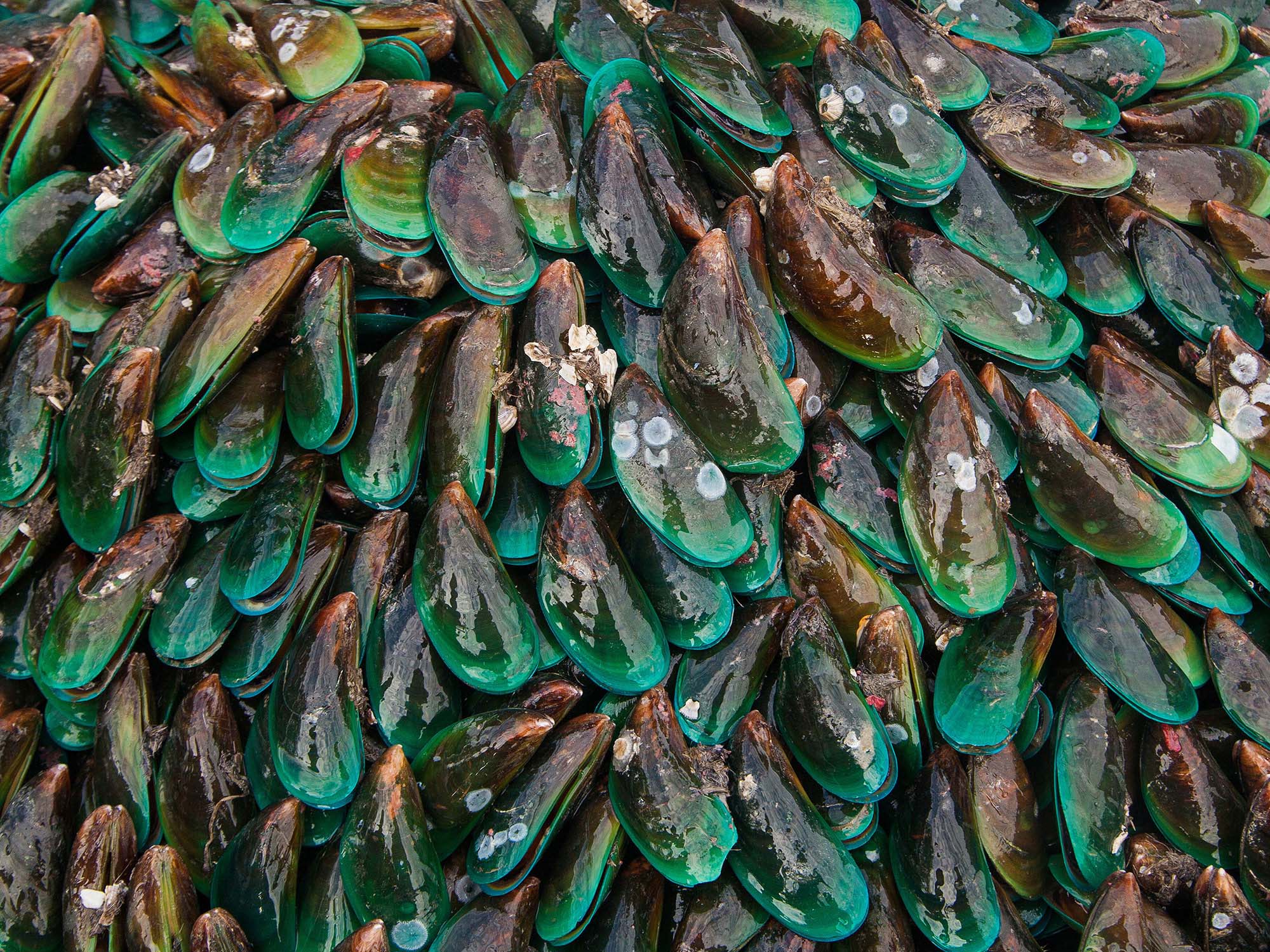
Asian Green Mussel CONTROLLED
Asian Green Mussel
Perna viridis
CONTROLLED - Not in Australia
  • Young = bright emerald green
  • Older = brownish-green
  • Big — 80-165mm (hand-sized)
  • Blue-green iridescent inside
  • Check sea chests carefully
Don't confuse with: Blue mussel — blue-black, not green

CONTROLLED — Report Immediately

Page 2 of 3
Black-striped False Mussel CONTROLLED
Black-striped False Mussel
Mytilopsis sallei
CONTROLLED - APMPL Listed
  • Small — only 20-25mm (thumbnail)
  • Dark radiating stripes on shell
  • Prefers brackish water
  • Darwin eradication cost $2.2M
  • Check sea chests!
Chinese Mitten Crab CONTROLLED
Chinese Mitten Crab
Eriocheir sinensis
CONTROLLED - Ballast/Sea Chest Risk
  • Dense hair "mittens" on claws
  • White-tipped claws
  • Up to 80mm carapace
  • Olive-brown, 4 spines per side
  • Can carry lung fluke parasite

CONTROLLED — Report Immediately

Page 3 of 3
Killer Algae CONTROLLED
Killer Algae
Caulerpa taxifolia
CONTROLLED - Not in VIC
  • Bright green - stands out
  • Feather-shaped fronds
  • Creeping runners
  • Up to 65cm tall
Smothers everything: Can survive in anchor wells. Report any sighting immediately!
Charru Mussel CONTROLLED
Charru Mussel
Mytella strigata
CONTROLLED - APMPL 2020
  • Medium 22-50mm
  • Variable: black, brown, orange
  • Zigzags, spots, or bands
  • Blue-purple opalescent inside
  • Yellowish flesh

ESTABLISHED in VIC — Prevent Spread

Page 1 of 2
European Shore Crab EST
European Shore Crab
Carcinus maenas
ESTABLISHED - Since 1900
  • Olive to dark green, 50-90mm
  • 3 blunt spines on rostrum
  • 5 spines each side of eyes
  • NO swimming paddles
  • Hides in sea chests
Pacific Oyster EST
Pacific Oyster
Magallana gigas
ESTABLISHED - Movement Controls
  • Large — up to 400mm
  • Irregular, sharp frilly edges
  • Grey-white to purple-brown
  • Glued flat to surface
  • Watch your gloves — SHARP!

ESTABLISHED in VIC — Prevent Spread

Page 2 of 2
Stalked Sea Squirt EST
Stalked Sea Squirt
Styela clava
WATCH - Established VIC Ports
  • Looks like brown pickle on stalk
  • Leathery, wrinkled like prune
  • 50-160mm tall, tough tunic
  • Stands alone, not in colonies
Vase Tunicate EST
Vase Tunicate
Ciona intestinalis
WATCH - Established in VIC
  • Translucent yellow-green
  • Tube/vase shaped, up to 150mm
  • Two siphons at top
  • Soft and squishy texture
Asian Paddle Crab (Charybdis japonica) — Paddle-shaped back legs, 6 spines between eyes. Found in sea chests. Carries White Spot Virus. Report immediately if found!

WATCH — Watch Species

Report within 24 hours
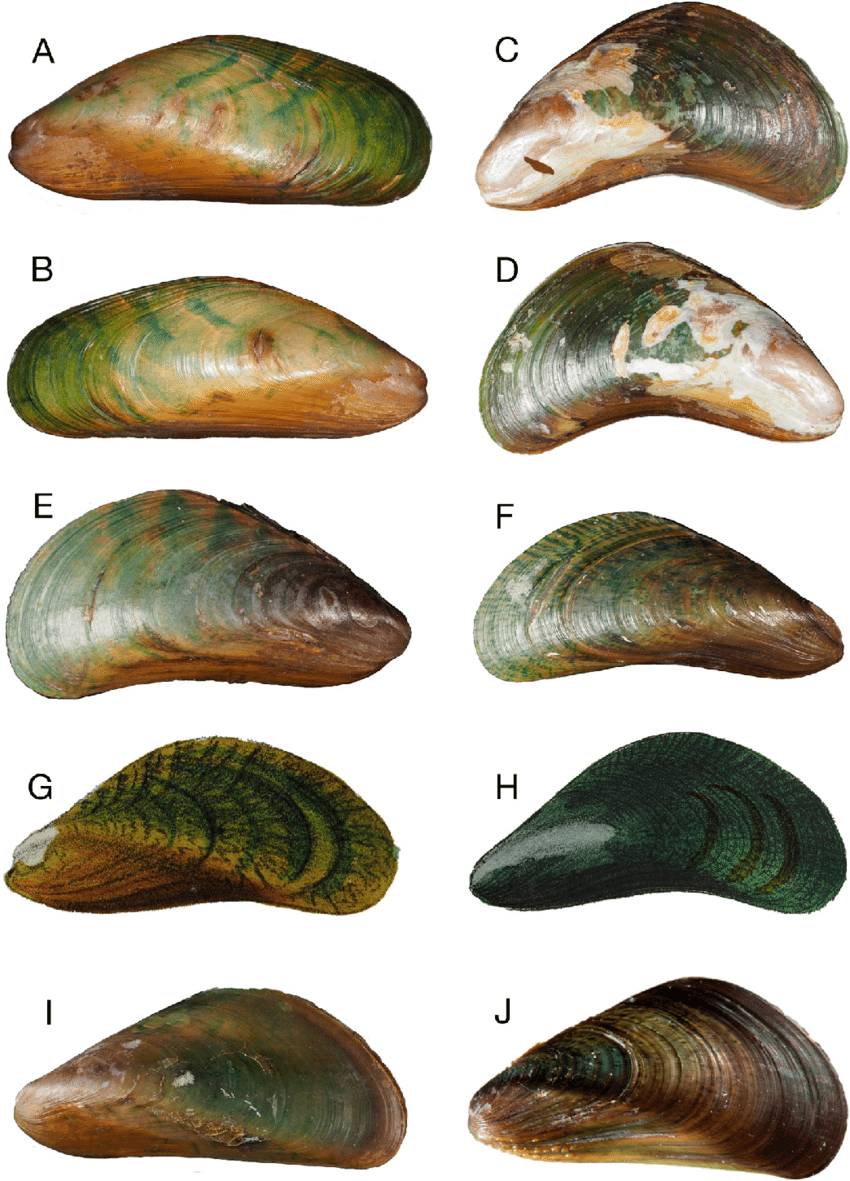
NZ Green-lipped Mussel WATCH
NZ Green-lipped Mussel
Perna canaliculus
CONTROLLED - NZ Vessels
  • Green "lip" on shell edge — key ID
  • Dark brown to bright green shell
  • MASSIVE — up to 240mm
  • Check vessels from New Zealand
Brown Mussel WATCH
Brown Mussel
Perna perna
CONTROLLED - Africa/South America
  • Dark brown to black shell
  • Up to 90mm (fist-sized)
  • Dense thick clumps
  • Thick shell, hard to break

Native — Normal VIC Fouling

No Report Needed
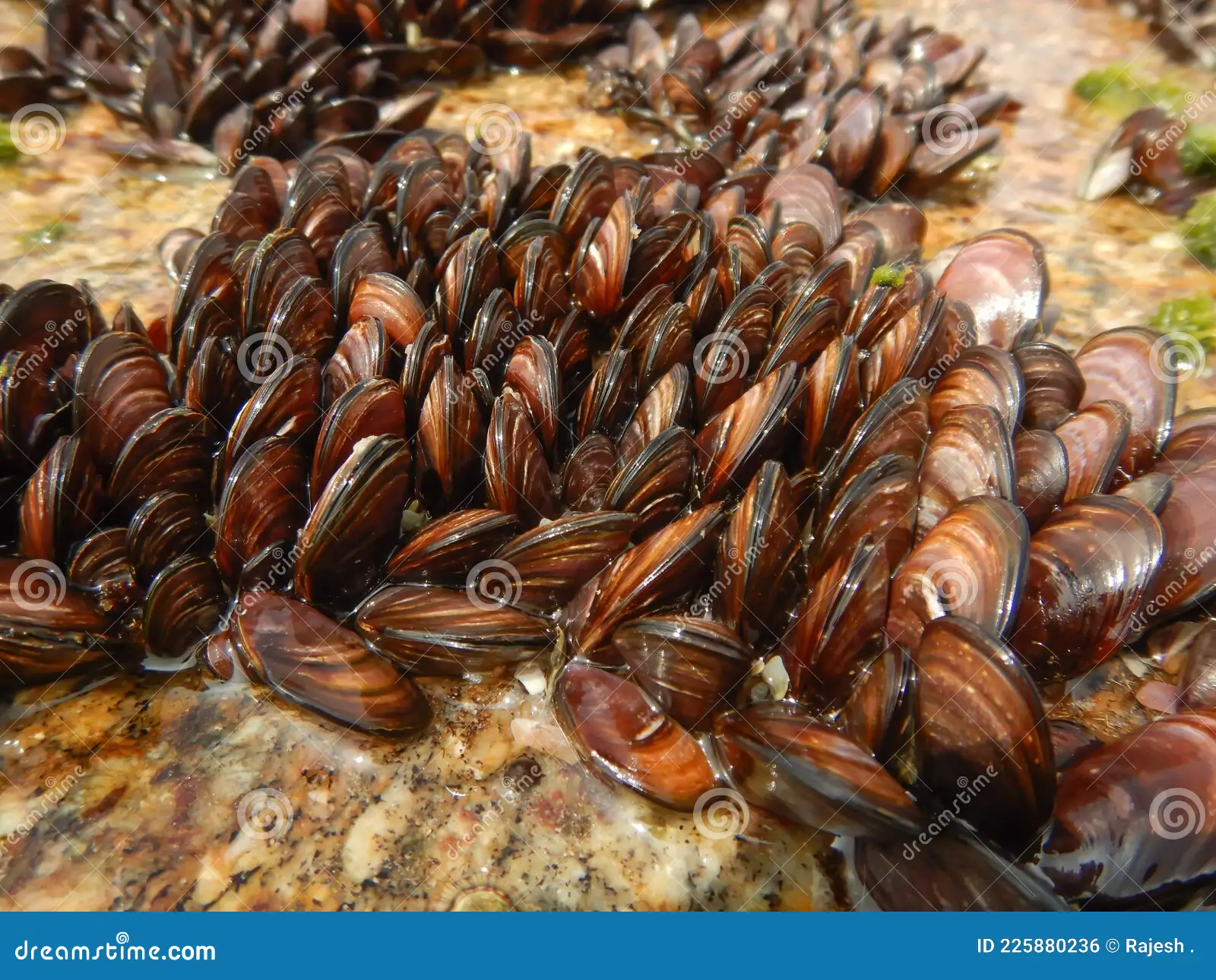
Blue Mussel NATIVE
Blue Mussel ✓
Mytilus galloprovincialis
Mussel — Common VIC
  • Blue-black shell, 50-100mm
  • Triangular/wedge shape
  • Clumps with byssal threads
  • NOT green — that's Asian one
Native Tube Worms NATIVE
Native Serpulid Worms ✓
Serpulidae & Spirorbidae
Tube Worm — Common
  • Hard white calcium tubes
  • Small feathery fans (<20mm)
  • Spirorbids are tiny 3mm coils
  • NOT big brown leathery tube
Native Sea Squirts: Thin jelly-like mats, various colours, NOT veiny/waxy. If unsure between native and invasive — always report it.

Quick Reference Table

CONTROLLED Species Status & Key ID
Northern Pacific Seastar 50cm, 5 arms upturned, yellow-orange. $1B+ damage
Japanese Kelp 1-3m brown, central midrib, frilly base
European Fan Worm Huge spiral fan 45-150mm, brown tube
Asian Date Mussel 30mm, fragile, zigzag, forms dense mats
HIGH Priority Quick ID
Carpet Sea Squirt Creamy veiny mat, waxy texture
Asian Green Mussel Bright green shell, 80-165mm
Black-striped Mussel Small 25mm, dark stripes, sea chests
Chinese Mitten Crab Hairy "mittens" on claws
Native Species Key Difference from Invasive
Blue Mussel Blue-black shell, NOT green
Native Tube Worms Small fans (<20mm), white hard tubes

Report It — Victoria

🚨 Agriculture Victoria

136 186
marine.pests@agriculture.vic.gov.au

MarineStream

Biofouling Manager:
Mat Harvey

Operations Manager:
Sam Diamond

www.marinestream.com.au

National Resources

Marine Pests:
www.marinepests.gov.au

NIMPIS Database:
nimpis.marinepests.gov.au

✓ When Reporting, Include:

  • Photos — close-up + wide shot with hand for scale
  • GPS coordinates if possible
  • Location on hull (bow distance, depth, port/stbd)
  • Vessel name and current location
  • Date and time of sighting
  • Your contact details

Hull Biofouling ID Guide — Victoria • Version 3.0 • January 2026

© 2026 MarineStream • Info from DAFF, Agriculture VIC, NIMPIS

Notes