The maritime industry faces growing pressure to improve operational efficiency while meeting increasingly stringent environmental standards. At the intersection of these demands lies a critical yet often overlooked aspect of vessel management: biofouling control. As vessels traverse global waters, the accumulation of marine organisms on their hulls creates challenges that ripple through every aspect of maritime operations.
The International Maritime Organization's adoption of the 2023 Guidelines for Biofouling Management (MEPC.378(80)) marks a pivotal shift in the industry's approach to this challenge. These guidelines, coupled with increasingly stringent port state controls and growing international focus on invasive species management, signal a clear trajectory toward mandatory global standards. Vessels operating internationally must now demonstrate comprehensive biofouling management strategies, making proactive approaches not just environmentally sound but operationally essential.
Understanding the Impact
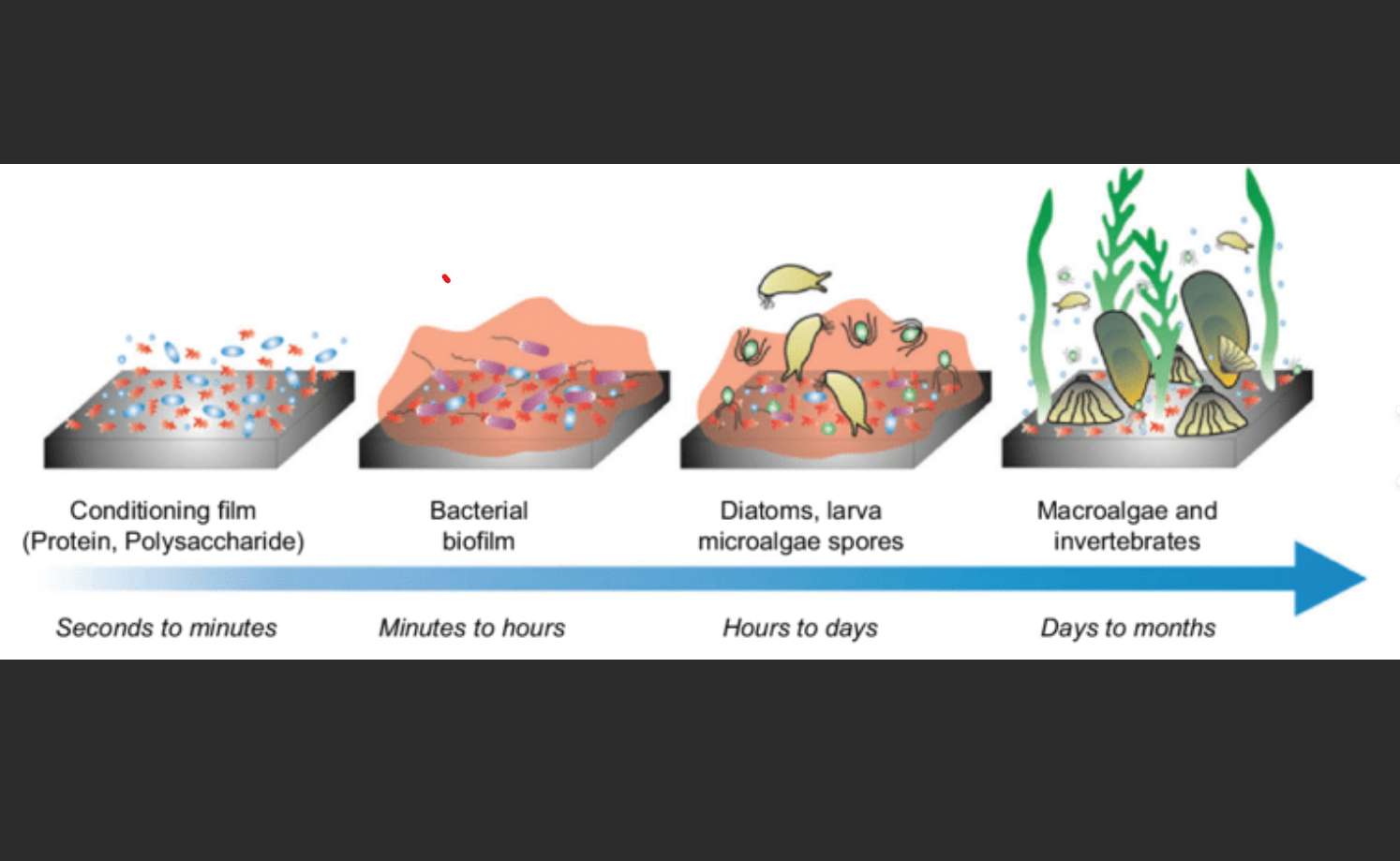
Regardless of regulations, the business case for effective biofouling management is compelling - vessel operators who maintain clean hulls can expect to see significant returns on their investment through reduced operational costs. The effects of biofouling extend far beyond straightforward hull maintenance. Even a moderate layer of slime increases fuel consumption by 5-20%, while heavy calcareous growth can push penalties beyond 40%. On a Panamax bulk carrier, this translates to additional fuel costs exceeding $500,000 annually at current prices. Beyond the immediate financial impact, this increased fuel consumption significantly affects a vessel's environmental footprint and Carbon Intensity Indicator (CII) rating.
The compound effects of biofouling on vessel performance create a cascade of operational challenges. Reduced speed capabilities affect scheduling reliability, while increased fuel consumption impacts both operational costs and environmental compliance. Modern vessel performance monitoring systems regularly demonstrate that maintaining hull cleanliness is as crucial to meeting CII targets as optimal voyage planning and weather routing.
- Fuel penalties: Light slime 5-20%, Heavy growth >40%
- Speed reduction: Up to 10% in moderate cases
- Increased GHG emissions: Direct correlation with fuel consumption
- Environmental hazards: Significant accumulation of depleted biocides
- Access restrictions: Growing number of ports requiring clean hulls
- CII Rating: Direct impact on vessel efficiency metrics
- Schedule reliability: Speed retention capabilities
Navigating the Regulatory Landscape
Currently, biofouling management requirements exist at national and regional levels, with varying standards and implementation approaches across different jurisdictions. The IMO's 2023 Biofouling Guidelines (MEPC.378(80)) represent a significant step toward international standardization, providing a comprehensive framework that jurisdictions can adopt and adapt to their specific requirements. These guidelines establish detailed technical standards for inspection, cleaning, and documentation that promote consistency in approach across maritime regions. Of particular note is the growing focus on cleaning methodology and waste capture, reflecting increased attention to both vessel performance and environmental protection.
The evolution of regulatory frameworks reflects growing scientific understanding of biofouling impacts. Modern requirements emphasize proactive management through:
- Vessel-specific biofouling management plans
- Up-to-date cleaning and inspection records
- Risk assessment protocols
- Emergency management procedures
- Performance monitoring and documentation
- Waste capture and disposal protocols
- Regular effectiveness reviews
These requirements align with both MARPOL Annex V and state-specific pollution control regulations, creating a comprehensive framework for vessel operators. Port authorities increasingly require evidence of proactive hull maintenance before granting entry, particularly in environmentally sensitive areas.